

A new driveway quote should describe the area being surfaced, the preparation underneath it, the materials, drainage, finishing work and total price. It should also explain what is excluded, when payments are due and how any changes will be agreed. A headline figure without that detail makes it difficult to know what you are buying.
A quote gives a fixed price for an agreed scope of work; an estimate is an approximate price that may change. Confirm which document you have before comparing proposals.
For homeowners comparing proposals, the useful question is whether each contractor has priced the same job. One may include removing the old surface and rebuilding the base, while another assumes that much of the existing construction can stay. Those are different approaches, even if the finished driveways would look similar.
Before accepting a quotation, make sure you can picture the work from the first excavation to the final handover. The following points will help you ask focused questions without needing to become a paving specialist.
What Should the Quote Include for Groundwork and Excavation?
Groundwork can account for a substantial part of the job, yet it will be hidden once the surface is laid. Ask the contractor to explain what will be removed, whether any existing base will remain and how the proposed construction suits your ground conditions and vehicle use.
The quote should identify the area covered and describe excavation, preparation, the proposed sub-base and compaction. Avoid judging the specification by a single depth mentioned online. Suitable construction depends on the site and driveway system, so ask why the proposed approach is appropriate rather than assuming every property needs identical layers.
Access can also affect the work. A narrow entrance may restrict machinery, and existing inspection covers, underground services or adjoining paths may need consideration. Make sure the contractor has seen these features and explained any assumptions. If a cover needs adjusting or replacing, establish whether that work is included.
Excavated soil and broken paving need a disposal arrangement too. Ask who will organise loading, skips or collections, and whether the price includes them. GOV.UK explains that tradespeople are responsible for correctly disposing of the waste they produce. The page also signposts the different national waste-carrier registers.
Finally, agree how unexpected conditions will be handled. If soft ground or an undisclosed obstruction is discovered, you should know how the contractor will explain the problem, price any proposed additional work and obtain your agreement before proceeding.
How Clearly Should Driveway Materials Be Specified?
A description such as “new paving” leaves too much room for different interpretations. Your quote should identify the surface being supplied and enough detail to distinguish it from alternatives you have discussed. Where relevant, that includes the manufacturer, product range, colour, dimensions, finish and laying pattern.
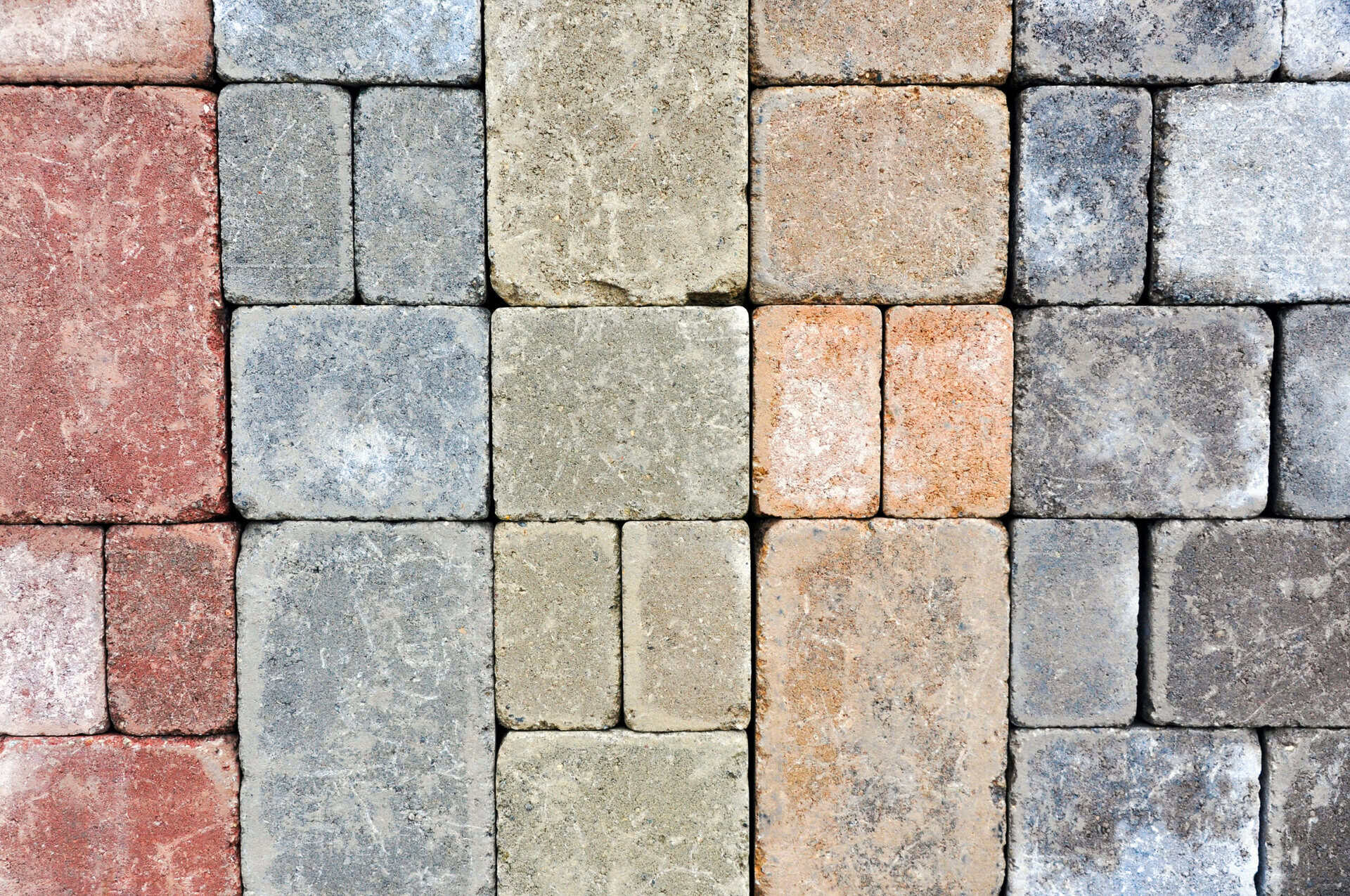
For block paving, establish whether the border uses the same blocks or a contrasting product, and whether kerbs and edge restraints are included. A sample can help you judge colour and texture, although photographs and small samples will not show every variation across a completed driveway.
If you are considering resin bound surfacing, ask for the aggregate blend, resin system, proposed thickness and base requirements to be recorded. Resin bound and resin bonded are different systems; a quotation should make clear which is being offered. Avoid accepting the word “resin” as a complete specification.
The same principle applies to tarmac and imprinted concrete: confirm the proposed construction and finish, including any relevant edging, jointing or sealing work. You do not need a lengthy technical document, but you should be able to identify the agreed materials later.
Ask what happens if your chosen product becomes unavailable. An alternative colour or range should be discussed before it is ordered. It is much easier to resolve a substitution while reviewing the paperwork than after materials arrive on site.
What Should the Quote Explain About Drainage?
The drainage proposal should explain where rainwater will go and how the driveway’s finished levels will direct it there. A channel across the entrance is only part of an answer: ask where that channel discharges and whether the proposed outlet is suitable and permitted.
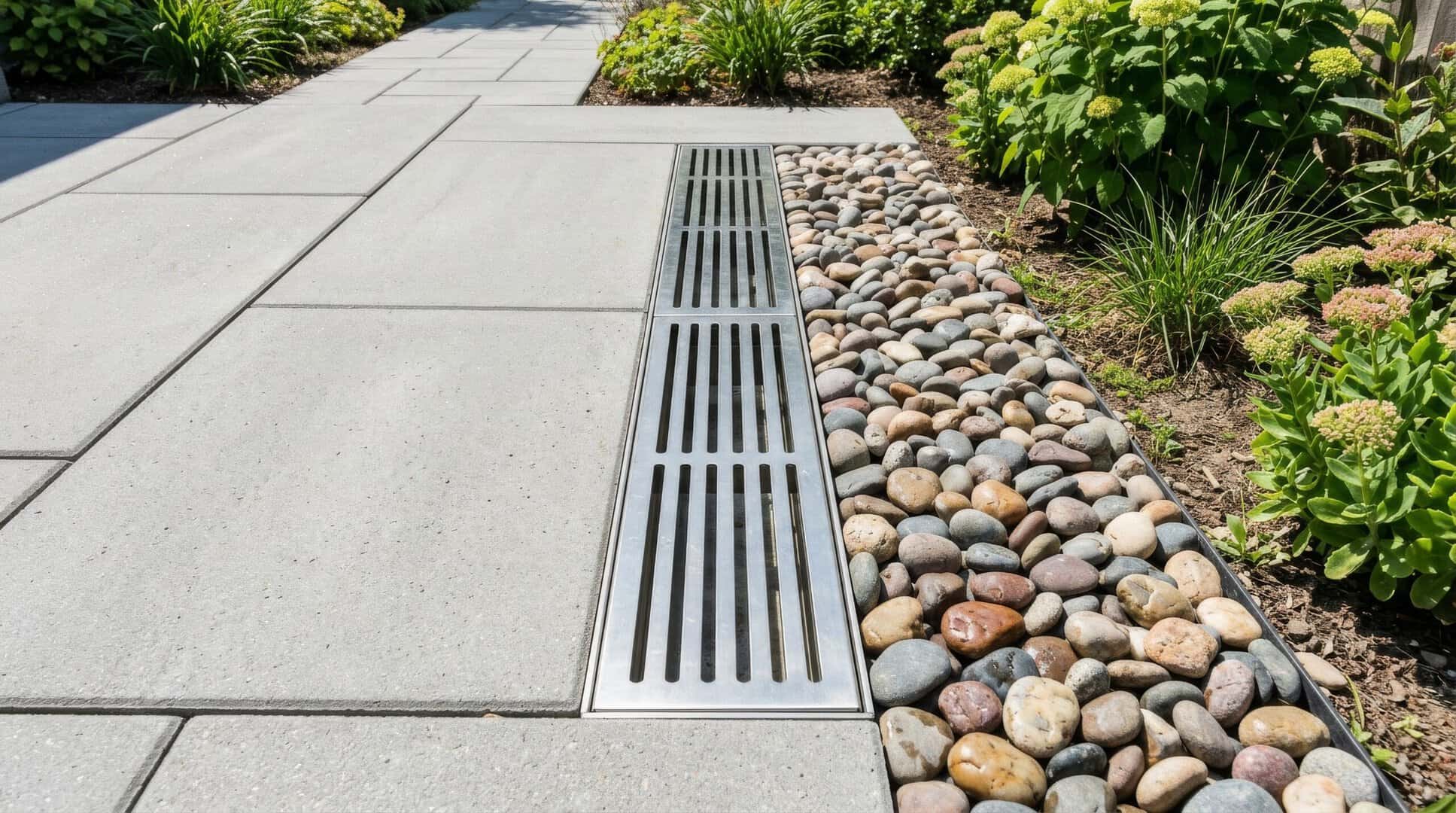
A permeable surface also needs a compatible construction underneath it. Choosing a porous finish does not, by itself, demonstrate that the complete driveway will manage water correctly. Government permeable surfacing guidance explains different approaches, including permeable construction and directing runoff towards a suitable area where it can soak away.
The quote should identify any drainage channels, excavation, connections or other drainage work included in the price. Ask how existing drains, thresholds and the relationship with adjoining land have been considered. If further assessment is needed before a drainage solution can be priced, that uncertainty should be explicit.
Planning rules differ across England, Wales, Scotland and Northern Ireland. The linked government front-garden guidance concerns England; do not assume its planning provisions apply throughout the UK. Confirm your proposal with the relevant local planning authority, particularly where permission, property-specific restrictions or changes to vehicle access may be involved.
For the quotation, establish who will check the necessary approvals, who will make any applications and whether fees are included. A vague assurance that “drainage is covered” should become a clear description of the proposed work and responsibilities.
What Should You Check About Guarantees and Warranties?
If a guarantee is offered, ask for its written terms before agreeing to the job. Check who provides it, what work or materials it covers, when it begins and how to report a problem. The length alone tells you little without the exclusions and claims process.
A manufacturer’s product warranty and an installer’s workmanship guarantee may cover different things. Ask which applies to the materials and which applies to installation. Where insurance backing is claimed, request the relevant policy details rather than assuming a guarantee will remain effective if the installer stops trading.
Maintenance conditions matter too. Establish whether particular cleaning methods, sealing or joint maintenance are required, and ask for care instructions at handover. This helps you understand the ongoing commitment before choosing a surface.
A guarantee is additional to your statutory rights. The Consumer Rights Act requires traders to perform services with reasonable care and skill. A long guarantee should therefore be considered alongside the actual specification, the contractor’s explanation and the written agreement.
Keep the accepted quote, agreed changes, invoices and guarantee documents together. Dated photographs can also provide a useful record of the work. These records make it easier to explain a concern clearly if an issue arises later.
How Should Deposits and Stage Payments Be Agreed?
Payment arrangements should be clear before you accept a quotation. Ask how much is required initially, what that payment covers and when any further amounts become due. If there are stage payments, agree identifiable milestones so both parties understand what triggers each invoice.
Citizens Advice’s home improvement advice recommends avoiding deposits where possible. Where a deposit cannot be avoided for work taking a long time, it advises keeping it as low as possible and not agreeing to more than 25%. This is consumer guidance, rather than a legal cap or a statement of Avelon Paving’s payment terms. The linked page applies to England and provides routes to advice for the other UK nations.
Ask what any requested deposit covers and what protection is available. Obtain receipts and check that the business named in the agreement matches the payment details. Unexpected changes to those details deserve checking directly with the contractor.
The paperwork should also explain what happens if either party needs to change the schedule or cancel. Ask about applicable cancellation rights before agreeing to an immediate start, particularly where the contract is arranged at home or remotely.
Agree a process for extras too. A change of border, additional paving or extra drainage should have an agreed cost and any timing implications recorded before the additional work proceeds. That protects the relationship by avoiding different recollections of a conversation.
How Can You Compare Driveway Quotes Fairly?
Start by giving each contractor the same description of your project. Confirm the area, preferred finish, parking requirements and any known drainage or access problems. Different starting information can produce prices that cannot sensibly be compared.
MoneyHelper recommends obtaining at least three written quotes and comparing them in detail in its home improvement guidance.
Read the specifications alongside the totals. Are excavation, waste removal, edging, inspection covers, drainage and making good included in each? Is VAT included where applicable? Check how long the price remains valid and whether any allowances or exclusions still need resolving.
For example, a lower price that assumes the existing base is reusable is not directly comparable with a price for full reconstruction. Ask both contractors to explain their approach. A higher price alone does not establish better workmanship, just as a lower one does not prove something is missing.
Before booking, confirm the expected start, likely duration, access arrangements and when walking or parking can resume. These details depend on the work, materials and conditions, so obtain project-specific advice.
Avelon Paving provides driveway installation services across Romford and surrounding areas. To discuss a proposed driveway and the work it would involve, ask the team for a free, no-obligation quotation.